







The Blue Mountains just outside of Sydney are famous for their scenery, eucalyptus forests and cultural heritage. But beyond that, they hold deep meaning for the Indigenous people of Australia. To the Aboriginal people, this is more than a pretty destination – it’s a sacred place with stories and traditions passed down through the generations. This is the traditional country of the Gundungurra, Darug and Wiradjuri people who have lived here for tens of thousands of years.
The Aboriginal Name
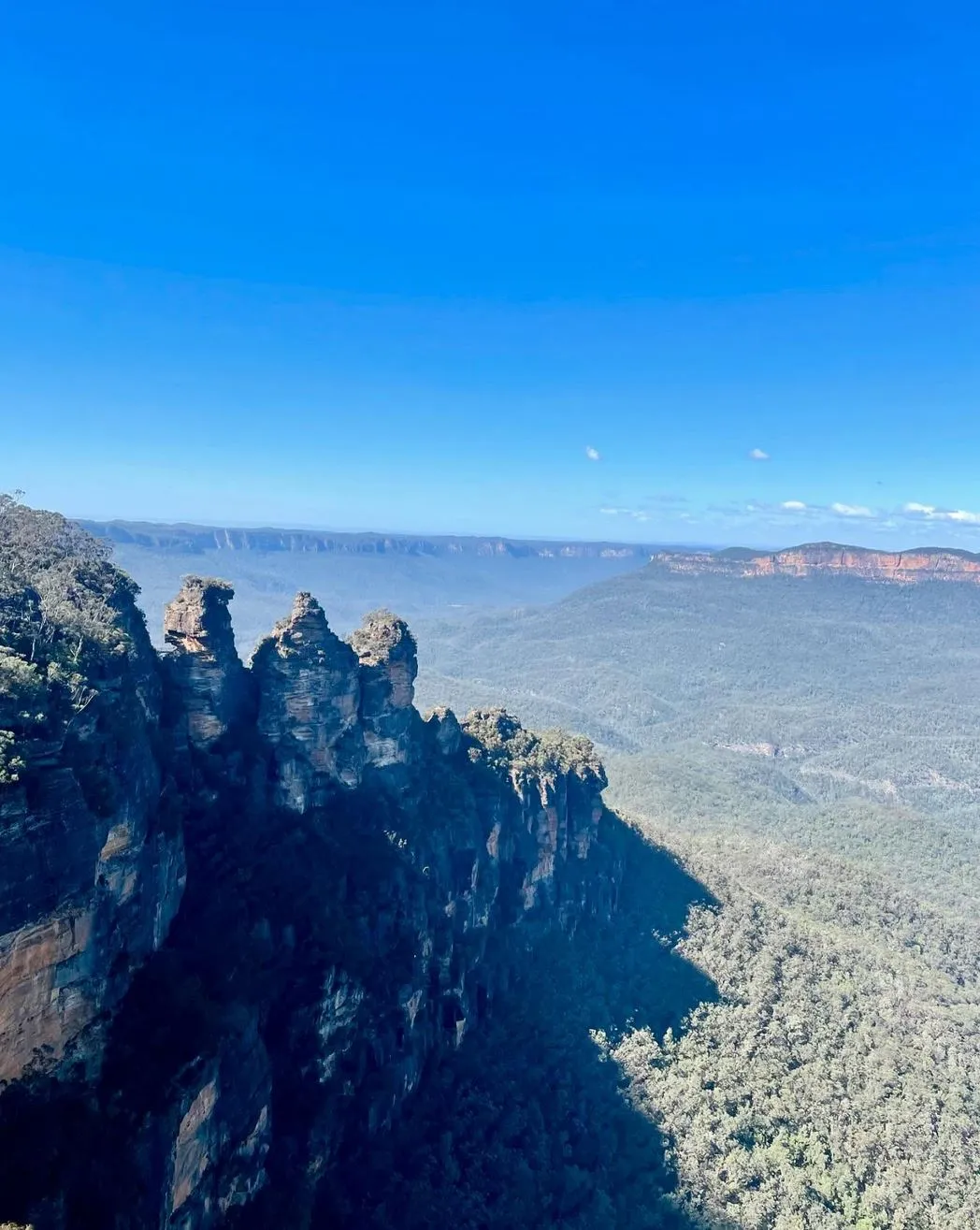
The Blue Mountains are part of the traditional lands of the Gundungurra, Darug and Wiradjuri people. The Blue Mountains as a whole don’t have a single Aboriginal name but the Gundungurra people call this area “Colomatta” which means “a place of mountains”. Specific landmarks within the Blue Mountains have Indigenous names that reflect their cultural and spiritual significance. For example:
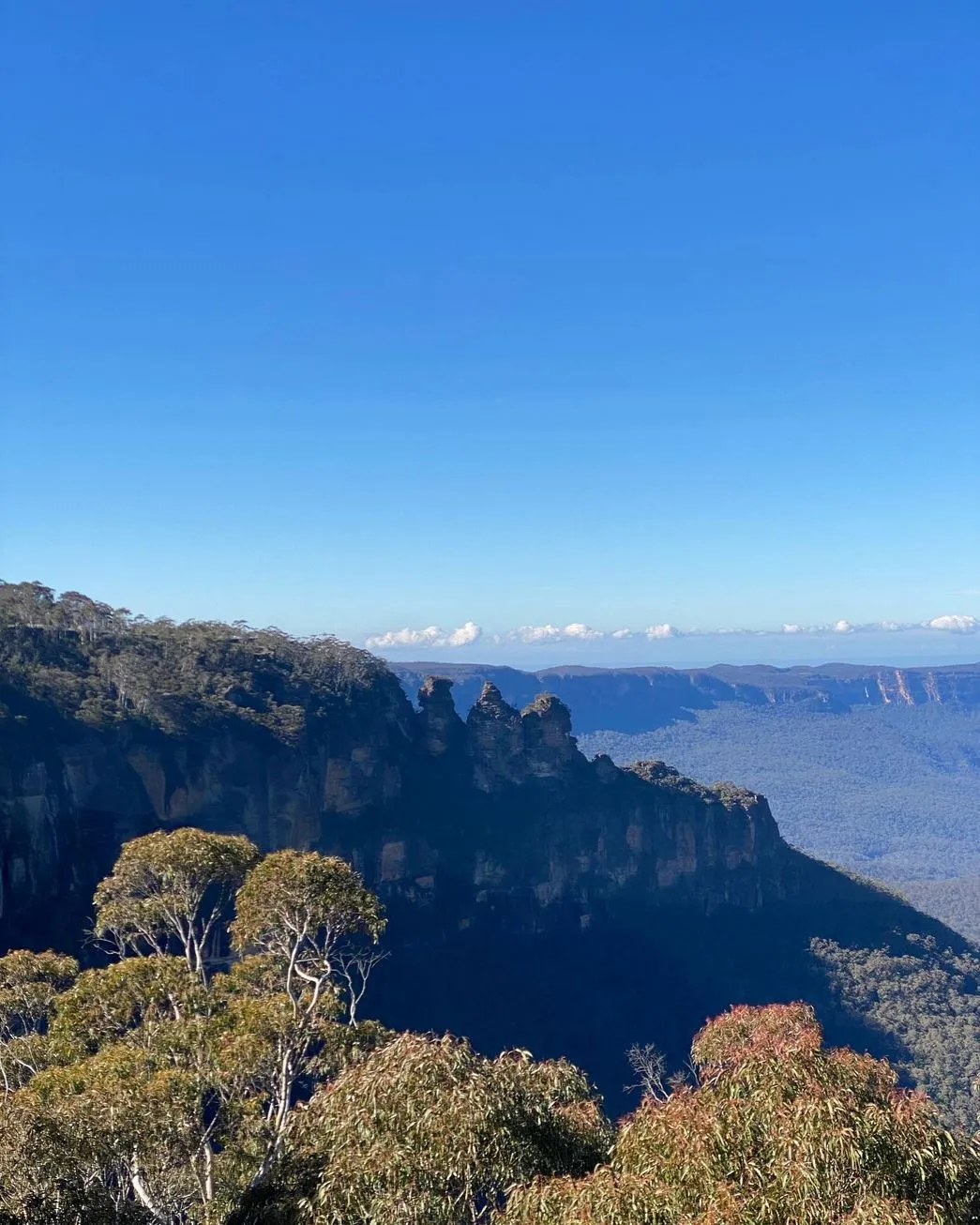
- Three Sisters: Known to the Gundungurra people as Meehni, Wimlah and Gunnedoo, each rock formation is part of a Dreamtime story of family and survival.
- Jamison Valley: Katoomba means “shining falling water” for the waterfalls.
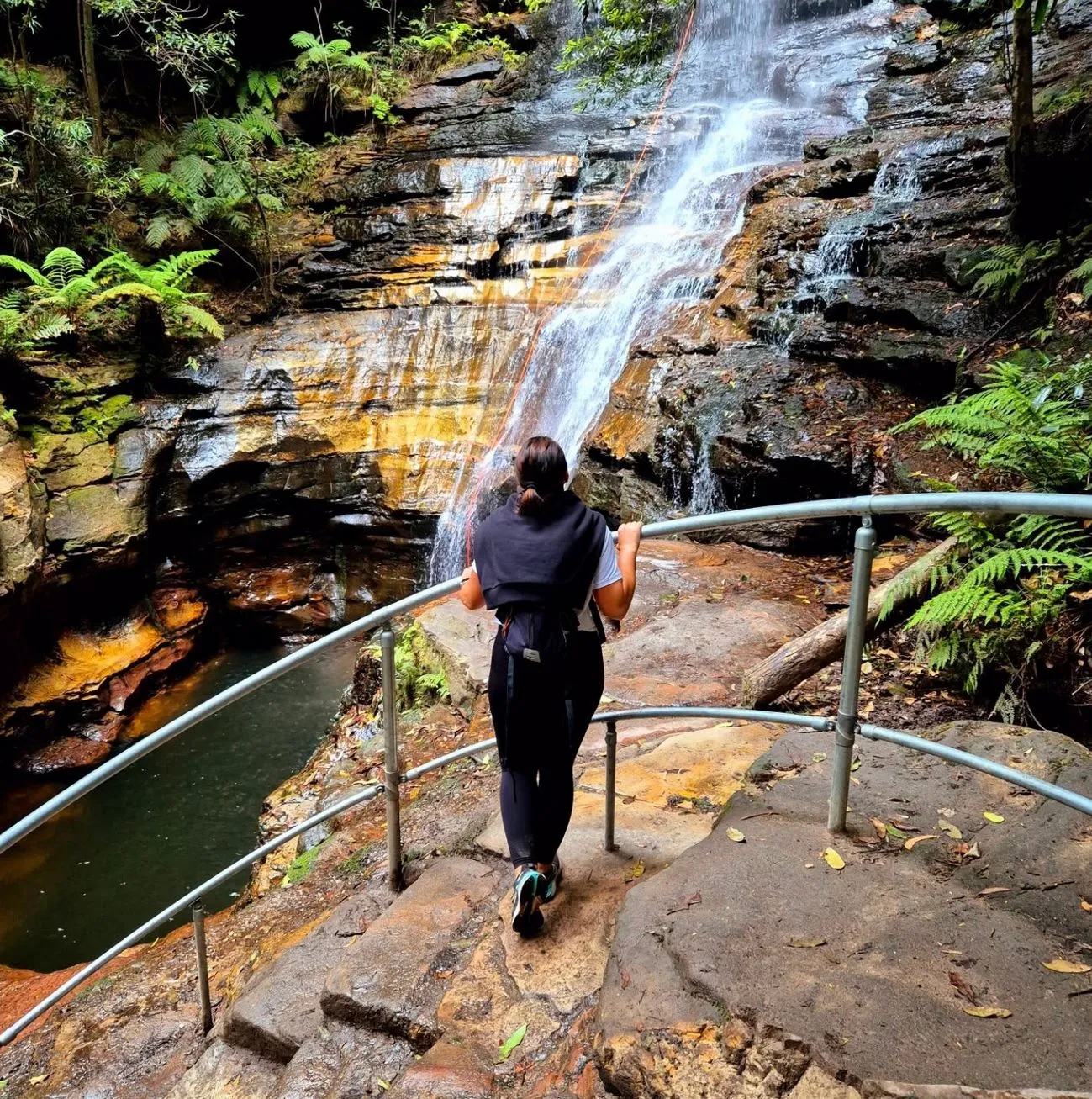
- Wentworth Falls: Named after an Aboriginal word for cascading water.
These Aboriginal names are a reminder of the deep connection Indigenous Australians have to the land. Each name has elements of nature, history and spirituality in it and reflects how connected they are to the environment.
In Aboriginal Culture
For the Aboriginal people, the Blue Mountains are part of their identity, history and cosmology. The region has:
- Rock engravings: Animals, people and spiritual symbols that reflect the richness of Aboriginal culture and art.
- Ceremonial sites: For rituals, gatherings and storytelling to keep Aboriginal history alive.
- Sacred landscapes: Where spirits live or are portals to the Dreamtime, the spiritual realm of creation.
- Archaeological sites: Preserving artifacts and evidence of Aboriginal occupation and family history.
- Cave paintings: Found throughout Blue Mountains National Park, showing Aboriginal languages and symbols to tell stories and teach.
Aboriginal stories explain the creation of the mountains, valleys and rivers so these stories are a living connection to the land. For example the Dreamtime stories of the Three Sisters and how they were turned to stone as a form of protection, a story passed down through the generations.
The Blue Mountains are also a treasure trove of cultural sites that show the resourcefulness and creativity of Indigenous Australians. Being able to adapt to the environment and keep their culture alive for thousands of years is the Aboriginal legacy.
Heritage
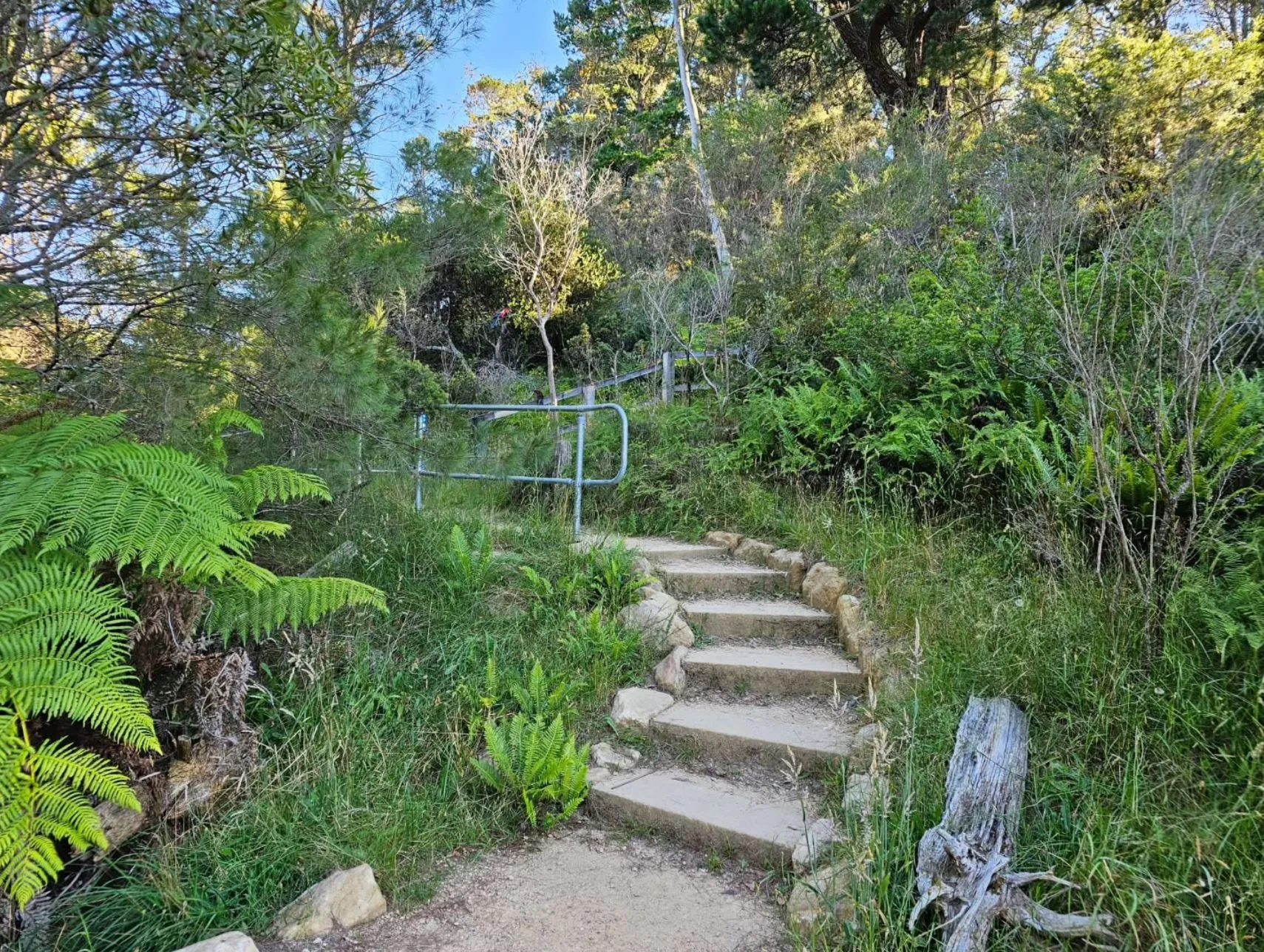
Today we are honouring and preserving the cultural legacy of the Blue Mountains Aboriginal people. The region’s cultural sites, Aboriginal sites and archaeological sites are part of the ongoing story of Indigenous history and identity.
Visit:
For a more in-depth experience book a Blue Mountains tour that covers both the natural and cultural heritage of the area.
- Learn about the culture Through guided tours led by Aboriginal elders and interpretive centres. These experiences often cover the importance of Aboriginal languages and Indigenous names and give insight into the traditional lands of the Gundungurra, Darug and Wiradjuri people.
- Respect sacred sites: Follow the signs and guidelines when visiting. Many Aboriginal sites are protected so they can be left intact for future generations.
- Support Indigenous businesses, Buy authentic Aboriginal art or participate in cultural workshops. Engaging with these helps the Aboriginal community and keeps their culture alive.
- Visit cultural centres, Where the history, languages and cultural practices of Indigenous Australians are preserved and shared with the community.
Aboriginal culture in the Blue Mountains means the stories, traditions and knowledge of Indigenous people will continue to inspire and educate.
FAQ
What does the Blue Mountains mean?
Blue Mountains gets its name from the blue haze created by the sunlight passing through the oil droplets in the eucalyptus trees.
Which Aboriginal groups are associated with the Blue Mountains?
Gundungurra, Darug and Wiradjuri are the main Indigenous groups of the Blue Mountains region. They are the Traditional Owners and custodians of the land.
Why is the Blue Mountains special to Aboriginal people?
The region is special because of its Dreamtime stories, ceremonial sites, cultural sites and sacred landscapes. These are all part of Aboriginal culture and family history.
How can I learn about Aboriginal culture in the Blue Mountains?
Visit guided Blue Mountains tours, cultural centres and workshops to learn about Aboriginal history, traditions and art. These experiences often cover Aboriginal place names, Indigenous languages and the significance of archaeological sites and cave paintings.
Are there Aboriginal names for landmarks in the Blue Mountains?
Yes, the Three Sisters and Jamison Valley have Indigenous names: Meehni, Wimlah, Gunnedoo and Katoomba. These names are significant to the culture and spirituality of the area. Aboriginal place names and traditional lands are full of meaning tied to family history and language.