





At Cosmetic Tattoo Brisbane Studio Face Figurati, we get a lot of questions about fine line tattoos — especially from clients who want something small, subtle, and deeply personal. And we get it. The fine line tattoo trend is everywhere right now, and for good reason.
You’ve probably seen them floating across your feed — those ultra-delicate tattoos that look more like pencil sketches than permanent ink. They’re dainty, subtle, and increasingly popular with everyone from first-timers to seasoned collectors. But what exactly is a fine line tattoo — and is it right for your skin, your lifestyle, and your expectations?
As someone who’s spent years behind the needle (and fixing more than a few bad tattoos), I can tell you this: fine line work is beautiful — but it’s not magic. It has real limitations, a distinct tattooing process, and needs serious skill to look good and last well. So before you fall for the trend, here’s what you need to know.
How Is It Done?

Fine line tattoos use a single needle or very tight grouping of liner needles to create crisp, hairline strokes rather than the bold lines and thicker shading of traditional tattoos. The effect is minimalist and elegant — think tiny scripts, floral outlines, micro tattoos, or subtle constellations.
Technique breakdown:
- Typically uses a single needle (1RL) or a 3RL needle
- Very light pressure and shallow penetration
- Requires ultra-steady hand control and experience
- Often slower and more precise than other styles of tattooing
This type of tattoo is all about precision — and in the hands of a skilled micro tattoo artist or professional tattoo artist, the result can be beautifully understated. But the same delicate nature that makes it so appealing also makes it prone to issues. Which leads us to…
The Pros and Cons
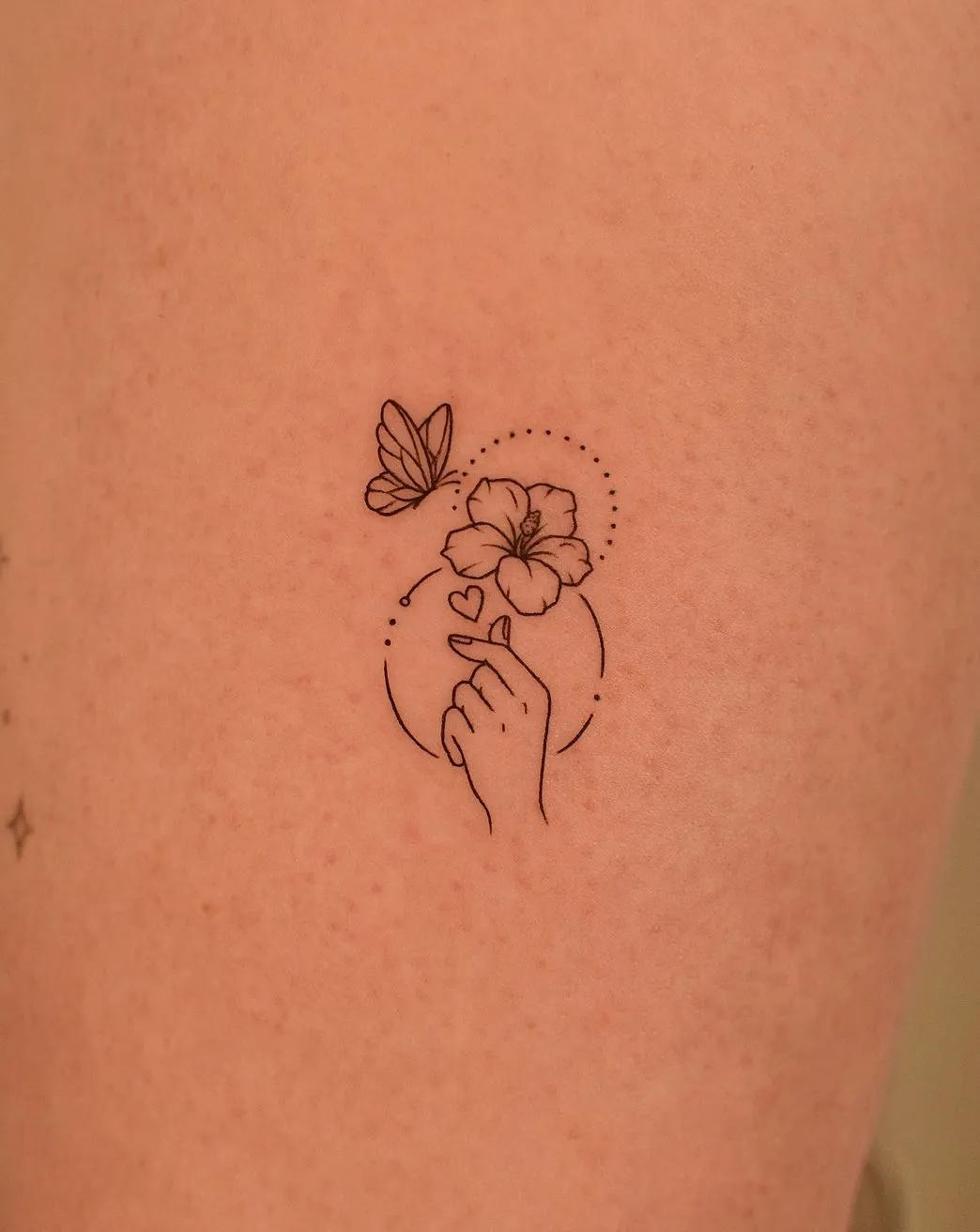
A fine line tattoo can be stunning when done well. But let’s not sugarcoat it — there are pros and real limitations, especially compared to bolder tattoos.
Pros:
- Minimalist designs and subtle pieces — great for visible areas like fingers, wrists, and collarbones
- Popular for custom design ideas like personal symbols or fine script
- Shorter sessions for smaller or micro tattoos
- Heals with less scabbing compared to more saturated styles
Cons:
- Can fade faster, especially with frequent sun exposure or on oily skin
- Less forgiving on mature, textured, or scarred skin
- May blur or “blow out” if done too deeply or with improper technique
- Limited in shading and colour — best suited to black or fine grey tattoos
How Long Do Tattoos Last?
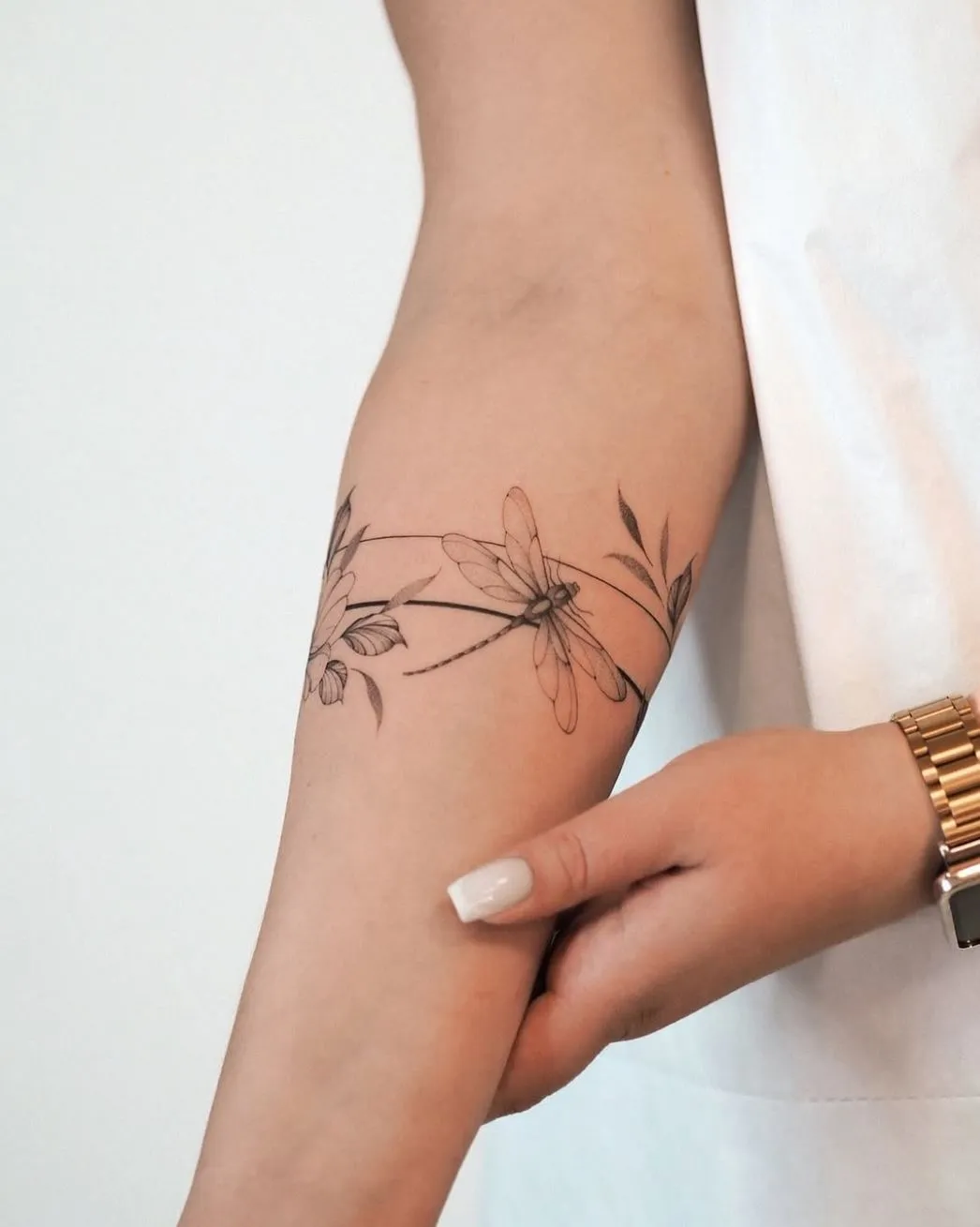
Here’s the no-BS truth: fine line tattoos can age beautifully — but they’re not the same as bold tattoo styles. Without the saturated colour tattoo ink and bold lines of regular tattoos, they require more care.
If they’re done at the right depth, on the right skin, with proper aftercare, you can expect 5–10 years before significant fading. But several factors affect this:
- Skin type (thin or oily skin fades quicker)
- Placement (fingers, feet = more friction and movement)
- UV and sun exposure (slows healing, fades faster)
- Aftercare steps (keeping the tattoo clean, moisturised, and protected)
Touch-ups may be needed, especially for detailed designs or single-needle tattoos. Think of it like fine jewellery — timeless pieces, but delicate by nature.
What You Need to Know

Most people can get a fine line or single needle tattoo safely. But not all skin holds it equally well — and not all tattoo ideas suit this style.
Ideal for:
- Smooth, firm skin (outer arms, thighs, upper back)
- Low oil production and minimal sun damage
- Lighter to medium skin tones (for contrast)
Challenging on:
- Mature, textured, or heavily scarred skin
- Hands, fingers, feet — where lines tend to blur
- Areas with high friction or stretching
Choose your artist carefully — they should have experience with different styles of tattoos, skin types, and healed results.
What to Expect
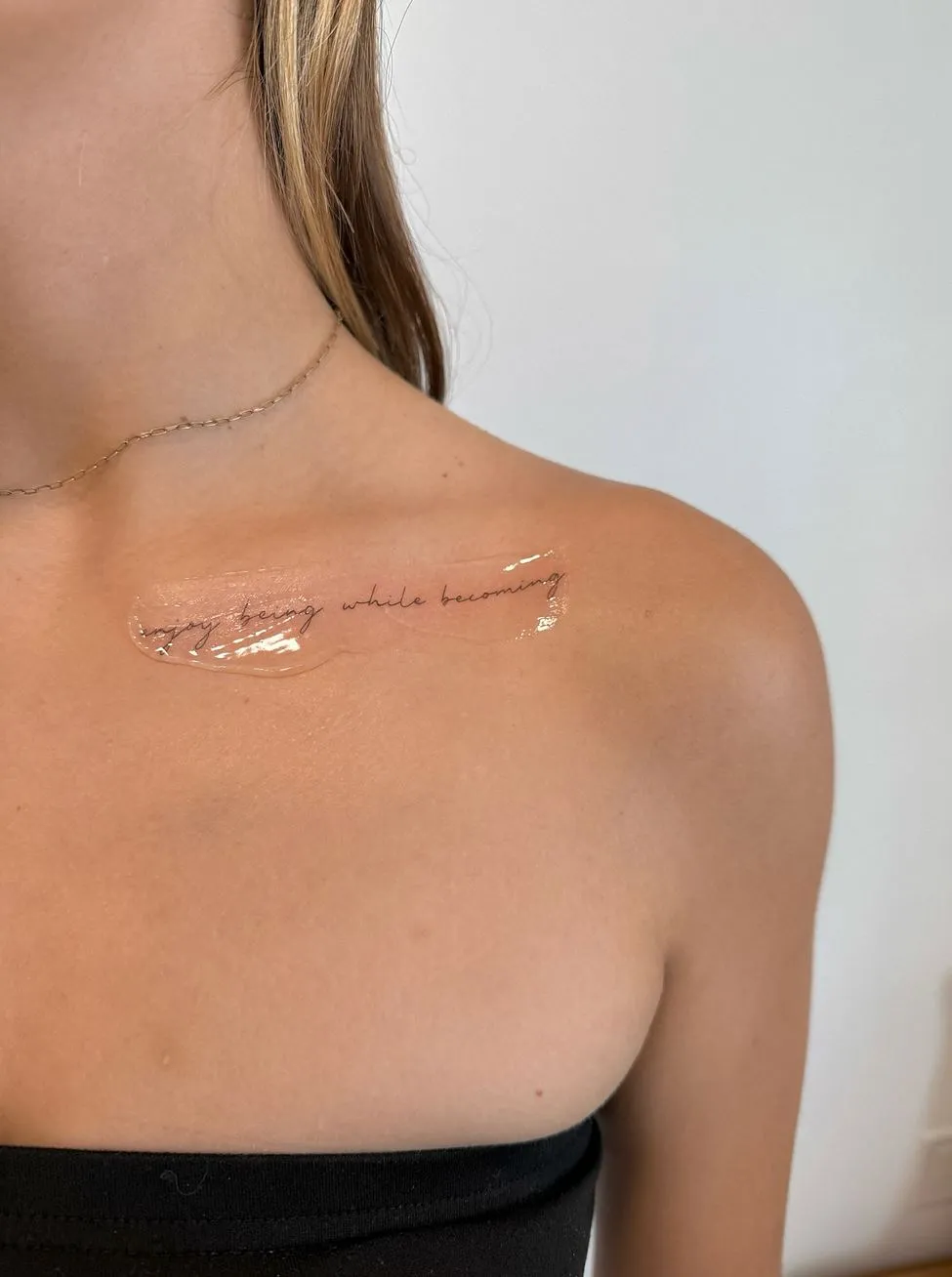
Healing a fine line tattoo or a minimalist piece is usually more forgiving than a large, bold tattoo. But it still requires proper aftercare to prevent potential infections and preserve those delicate tattoo lines.
Healing Timeline:
- Day 1–3: Mild redness or tenderness. Clean gently twice daily with a fragrance-free cleanser. Apply a thin layer of balm — no heavy ointments.
- Day 4–7: Light peeling or flaking — do not pick. Lines may temporarily look patchy or fuzzy.
- Week 2–4: Skin rebuilds — design sharpens. Moisturise daily, wear protective clothing if exposed.
Aftercare tips:
- Avoid soaking or getting a tattoo in water (no pools, baths, steam rooms)
- No harsh exfoliation, retinols, or acids on the area
- Once healed, SPF daily — especially in Australia
Line vs Other Tattoo Styles: Quick Comparison Table
| Tattoo Style | Needle Type | Depth | Longevity | Ideal Placement |
|---|---|---|---|---|
| Fine Line | 1RL, 3RL | Shallow | 5–10 years | Arm, collarbone, thigh |
| Traditional | 5RL+ | Mid-depth | 10–30 years+ | Chest, back, and arm |
| Blackwork | Magnum | Deeper | 10–20 years+ | Torso, legs, and forearm |
| Watercolour | Mixed | Varied | 3–7 years | Shoulder, inner arm |
| Minimal Tattoos | 1RL | Shallow | 5–8 years | Ankle, neck, ribs |
| Colour Tattoos | Varied | Mid-depth | 5–15 years | Leg, upper arm |
Trending Tattoo Ideas in 2025

According to recent tattoo culture data from expos and digital platforms, here’s what’s trending now in Australian tattoo studios:
- Continuous line tattoos — subtle, abstract design using one flowing stroke
- Botanical fine line — eucalyptus, wattle, native flora in delicate lines
- Custom handwriting — family messages, affirmations in natural handwriting
- Tiny profile portraits — minimalist style silhouettes, micro facial features
- Grey tattoos — soft shadowed line work for minimalist designs
More clients are choosing minimalist style, art tattoos that feel like an art piece — subtle, meaningful, and designed to complement natural beauty.
Choosing the Right Tattoo Artist
This isn’t the style for your mate’s backyard gun or a first-timer still figuring out their tattoo machine. The best fine line tattoo artists have:
- Proven results with healed fine lines and micro tattoos
- Tattoo certification or apprenticeship training
- Knowledge of the tattooing process using single needles or thinner needles
- A clean aesthetic and a sterile, licensed studio
Red flags to avoid:
- No healed work shown — only fresh ink
- Promises that every fine line tattoo will last forever
- Dirt-cheap pricing or lack of studio hygiene
Look for a professional tattoo artist who can bring your design idea or artistic expression to life — not just mimic a Pinterest pin.
Final Thoughts
If you’re drawn to delicate designs, minimal design, or have a meaningful fine line tattoo idea in mind, this style can absolutely work for you. Just remember:
- It’s not ideal for high-friction or sun-exposed areas
- Delicate tattoos can age over time — a bit over time is normal
- Proper aftercare and lifestyle (like SPF and avoiding tattoos in water) matter
- It’s an art on skin — not just ink. Treat it like a beautiful piece of design
If you’re still unsure, talk to a micro tattoo artist or visit local tattoo studios to get a feel for the style and process.
FAQ
Do fine line tattoos hurt more than traditional tattoos?
Not necessarily. Because they use thinner needles and less shading, they can feel lighter — but it depends on the area.
Can you get coloured fine-line tattoos?
Yes, but colour tattoo ink in fine line form fades faster and may blur. Most artists stick to black or grey.
Do fine line tattoos blur or thicken over time?
Yes — all tattoos change. Fine lines may blur more than thicker lines, especially without proper care or in high-movement areas.
What’s the price range for fine line tattoos in Australia?
Expect $150–$300+ depending on size, studio location, and the artist’s expertise. Clean tattoos take clean skills.
Can I touch up or change my fine line tattoo later?
Yes, but too many touch-ups can turn clean lines into bolder lines. Work with an artist who considers the design’s longevity.