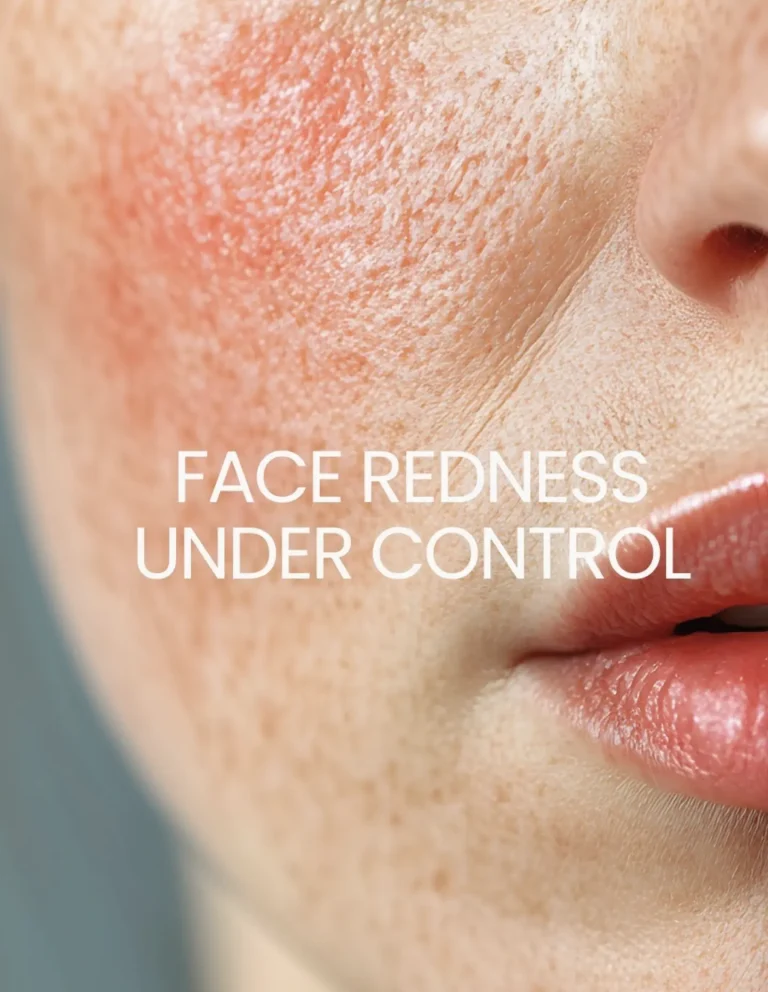






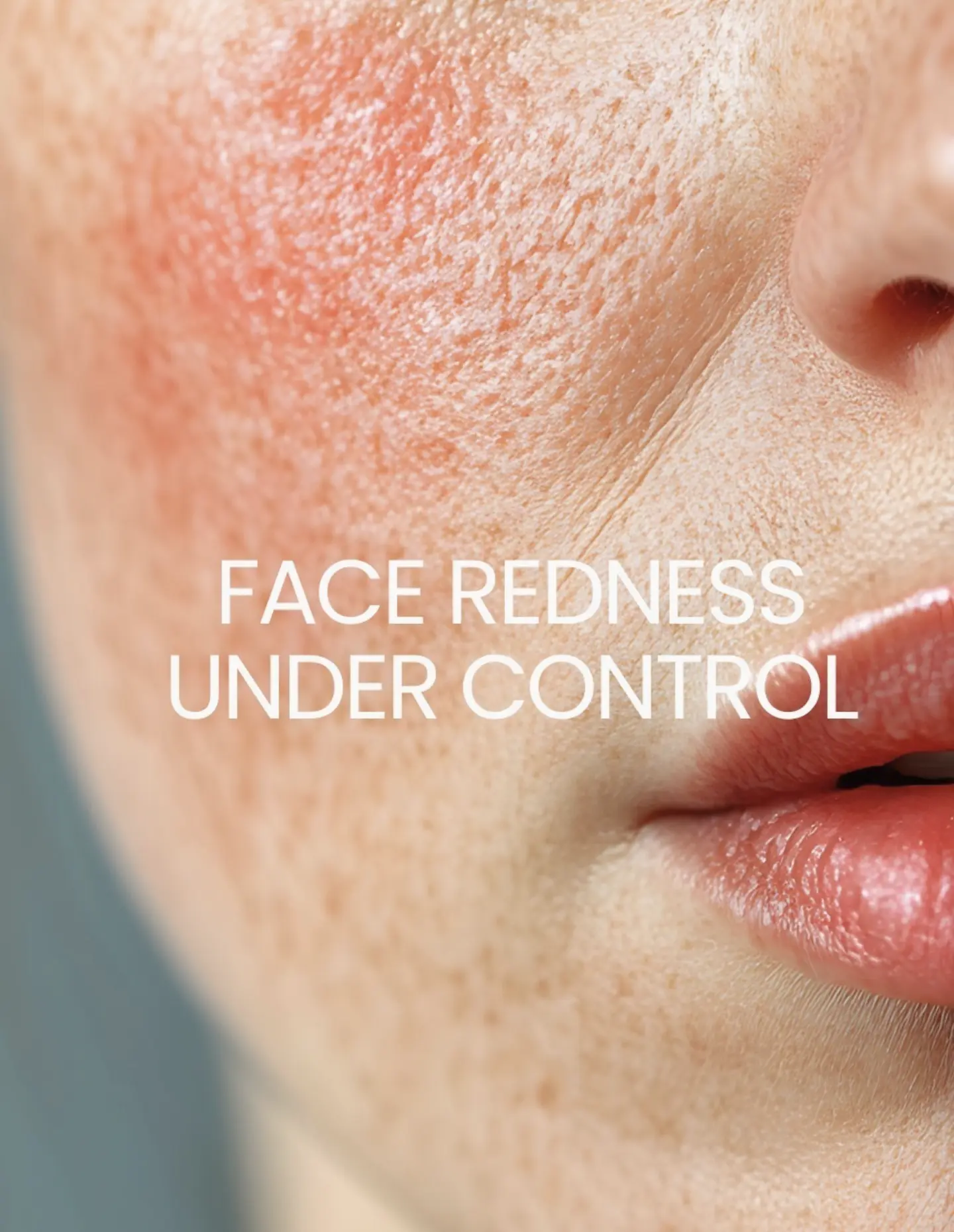
How to heal redness from a damaged skin barrier is one of the most common questions I get asked in the treatment room – & I’ve had my fair share of those in Brisbane, where the heat and humidity can just quietly knock your skin out of whack.
If your skin starts to feel like its on fire, looks like it’s been poured on a cup of red paint, stings the minute you put on a new product, or even reacts to things it used to be just fine with… trust me, its not an allergy or sensitivity, its your skin’s barrier that’s taken a hit and your moisture barrier has become pretty much non-existent – I’ve seen so many clients come through the doors of The Facial Hub who thought the answer was to “just use something stronger” when really they just needed to back off and let it heal.
So let’s get down to the nitty-gritty – what’s really going on beneath the surface of that angry skin?
What’s Happening Beneath The Surface
Think of your skin barrier like your body’s own internal umbrella – it’s mainly made up of the stratum corneum (that’s the top layer of skin cells), the extracellular lipid matrix (this rich, fatty stuff that’s full of lipids & fatty acids) and the acid mantle and natural moisturising factors that keep your skin nice and hydrated, while keeping the bad stuff out.
In Brisbane, though, I see this damage all the time, caused by overdoing exfoliating acids, using sunscreen incorrectly, or just piling on too many active-ingredient products. And let’s not forget the effect of environmental toxins, humidity and UV damage – all of those things together can just make it impossible for your skin to keep its cool.
Common Signs Your Skin Is Struggling
- You’re red and flared up all the time
- Your skin is on fire when you put on the product
- You’re losing all your moisture (despite putting on moisturiser)
- Your skin is just plain dry
- You’re super sensitive and break out at the drop of a hat

Why Inflammation Becomes Visible
And redness – well, that’s not just a cosmetic issue, it’s actually your skin sending out distress signals because your moisture barrier has taken a hit. Without the right stuff in place to keep all the good stuff in (and the bad stuff out), your skin becomes super vulnerable to anything & everything that comes its way.
When that barrier is damaged, your nerve endings are exposed & your blood vessels get all touchy – so if you thought you had chronic redness issues, it might just be that you’ve been using too much of the chemical retinoids or exfoliating acids.
The other thing to consider is that increased transepidermal water loss makes it way harder for your skin actually to heal, which of course means it will just stay inflamed for way longer – so smothering it in hyaluronic acid just isn’t going to cut it – what it really needs is for you to seal that moisture in with some proper barrier repair.
Habits That Quietly Make Things Worse
The thing is – this is the bit most people missremoved: it’s not so much what you’re missing out on but rather what you’re overdoing.
Using Too Many Activities At Once
Things like vitamin C, exfoliating acids and Retinoid on their own are pretty powerful – but overuse them, and they literally rip the skin apart & delay healing.
Trying Quick Fixes Or DIY Trends
I’ve seen loads of people trying all sorts – baking soda scrubs, at-home derma rollers – the list goes on, but to be honest, these approaches usually end up causing more damage and making you more sensitive.
Neglecting Daily Sun Protection
Unless you use a routine with a decent broad-spectrum sunscreen (ideally one with an SPF of 50 or above) with ingredients that are mineral & built to last, UV is still gonna be wreaking havoc on your poor skin & slowing it down.
A Simple Plan That Supports Recovery
The truth is, healing starts to happen when you back off and support your skin, not when you try to add loads more to the mix.
Step 1: Sort Out Your Routine
- No harsh cleansers (just gentle stuff that won’t upset your skin’s pH levels)
- Moisturiser that’s rich in fatty acids
- Good old daily sunscreen
This gives your stratum corneum a chance to rebuild without getting too messy.
Step 2: Look For Restorative Ingredients
- Ceramides, fatty acids
- Niacinamide
- Panthenol & beta-glucan
- Hyaluronic acid (use it with a sealing ingredient or two to get the best out of it)
- Plant oils to support the lipid barrier
At The Facial Hub, we’re all about creating clean, simple products that calm down reactive skin & support healthy, long-term skin.
Step 3: Bring Back Actives With Care
Once your skin is feeling a bit more stable, you can start to introduce things like azelaic acid or gentle vitamin C again – but remember to do it slowly and do patch tests first – patience is key.
Healing Timeline: What To Expect
| Stage | What’s Happening | What You’ll Notice |
|---|---|---|
| Week 1 | Inflammation settles | Less stinging, improved comfort |
| Week 2–3 | Barrier rebuilding begins | Reduced redness, better hydration |
| Week 4–6 | Skin structure strengthens | Improved tone across different skin tones |
| Week 6+ | Barrier restored (mild cases) | Resilient, calm skin |
From my experience, most clients see noticeable improvement within 2–3 weeks — especially when they stop disrupting their skin’s natural repair process.
In-Clinic Support Options
Sometimes your skin is just a bit fragile – and that’s especially true if you’re dealing with ongoing sensitivity or environmental damage.
Barrier-Focused Facials
At The Facial Hub, we work on super gentle treatments – focusing on helping your skin rather than pushing it:
- Hydration layers with moisture-locking ingredients
- Lymphatic techniques that reduce inflammation
- No harsh exfoliant or aggressive resurfacing
You’ve probably been Googling “good facials near me“, but look for treatments that focus on repair, not damage.
LED Therapy For Calm And Repair
LED light reduces inflammation and supports wound healing without causing damage.
Treatments To Pause For Now
Avoid aggressive procedures — including facial microdermabrasion or laser treatments — until your skin is stable again.
Brisbane Skin Realities: Why Your Environment Matters
- UV damage from sun exposure
- Humidity masking dehydration
- Sweat and oil leading to over-cleansing
This leads to over-exfoliating and further barrier damage.
Build a routine that reflects your environment – skin health is always changing.
Where Skin Care Is Headed In 2026
The industry is shifting toward balance:
- Barrier-supportive formulations
- Less frequent exfoliation
- More microbiome-friendly products
Healthy skin comes from supporting natural function, not quick fixes.
My Real Client Experience
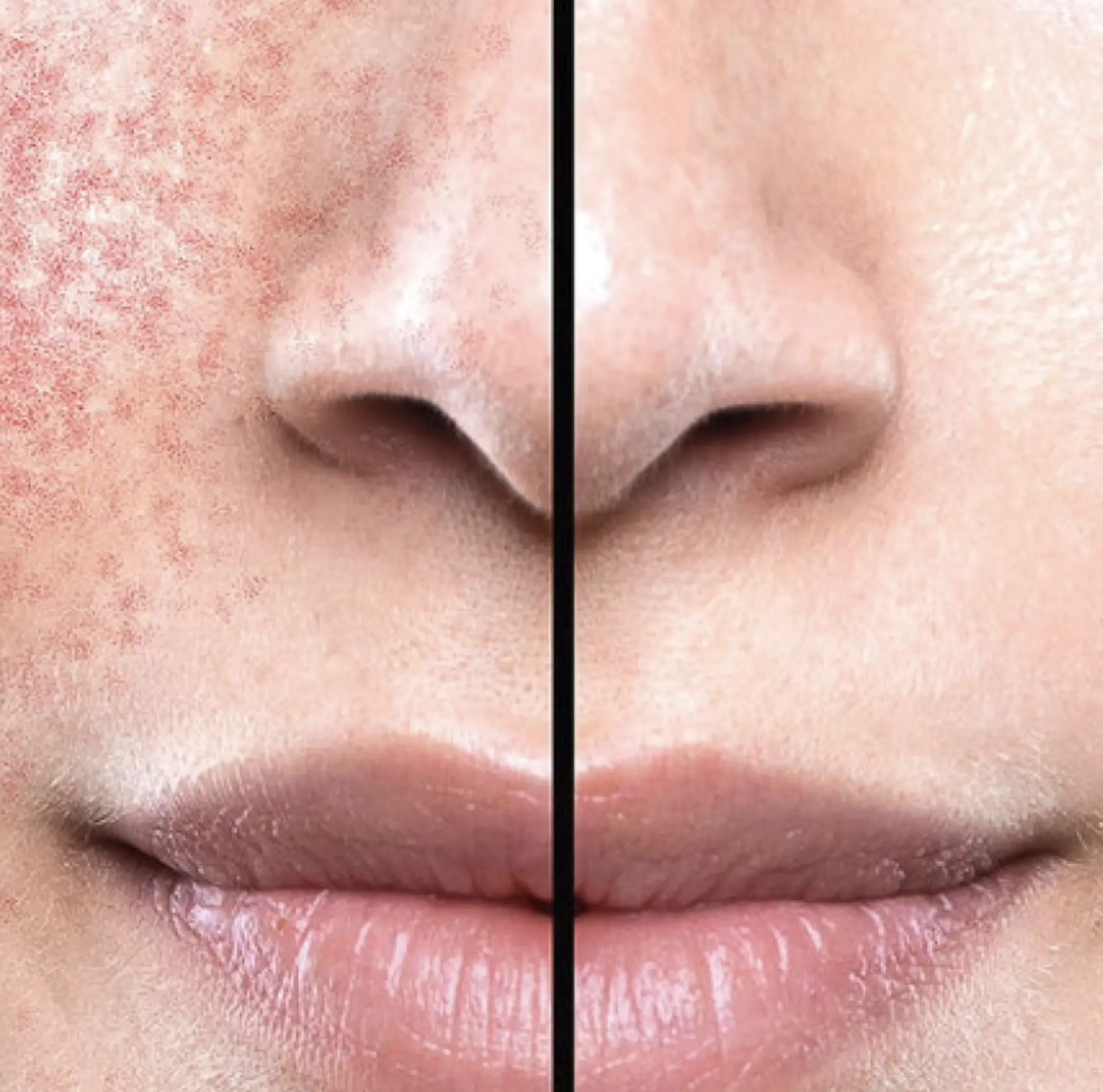
One client came in with persistent flushing from mixing acids, retinoids, and vitamin C daily.
We simplified everything and focused on hydration and lipid repair. Within three weeks, her skin was calmer. By six weeks, it was stronger, clearer and less irritated.
That’s what happens when you stop fighting your skin and start supporting it properly.
What You’ll Likely Spend
- Cleanser: between $25 and $60 AUD
- Moisturiser: $40 to $120 AUD
- Sunscreen (SPF 50+): $20 to $50 AUD
A professional consultation helps avoid wasting money on the wrong products.
FAQ
Can I still use hyaluronic acid on damaged skin?
Technically, yes, but it needs to be paired with barrier-supporting ingredients.
Is vitamin C safe for skin that’s already pretty irritated?
No – wait until your skin barrier is restored.
Can barrier damage cause fungal infections?
Yes – a compromised barrier increases vulnerability.
Should I be exfoliating to get rid of redness?
No – focus on barrier repair first.
How do I make sure this doesn’t happen again?
Stick to a consistent routine, avoid overusing actives, and always use sunscreen.