





Microdermabrasion, a common dermatological procedure, is often marketed as a solution for a myriad of skin problems, including blackheads. The age-old question is: ‘is microdermabrasion good for blackheads?’ The short answer is – yes. This article delves into the origins, efficacy, and methodology of microdermabrasion in blackhead removal, providing an unbiased look at this popular procedure.
Blackheads, often manifesting as tiny, dark spots on the skin’s surface, are a common issue probably every one of us has faced at some point. They are caused due to the accumulation of excess oils and dead skin cells in hair follicles, leading to pore clogs that, when exposed to air, oxidize and turn black. The battle against blackheads becomes exhausting when considering how persistent and recurring they are. The increasing curiosity around does microdermabrasion remove blackheads reminds us that from over-the-counter products to salon procedures, various methods are employed in an attempt to control and remove them.
What is Microdermabrasion?
You may be wondering, what is microdermabrasion for the face? Microdermabrasion is a minimally invasive procedure that seeks to refresh the skin texture and enhance its appearance. It dates back to ancient Egypt when the Egyptians used abrasive tapes and sea salt to rejuvenate their skin, a method developed over time into what we now know as microdermabrasion.
This procedure, now commonly referred as blackhead microdermabrasion, works by gently exfoliating the upper layer of the skin, called the stratum corneum – this is where dirt, dead skin cells, and blackheads are primarily lodged. Accordingly, we can conceptualize Microdermabrasion as a “”deep-cleaning”” process for our skin.
The Microdermabrasion Process
The journey of understanding what is microdermabrasion treatment begins with detailing its process which is straightforward and starts with a preparatory phase. Here’s a step-by-step breakdown:
- The skin preparation, which includes cleansing, followed by the application of a degreasing solution to eliminate oils.
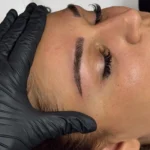
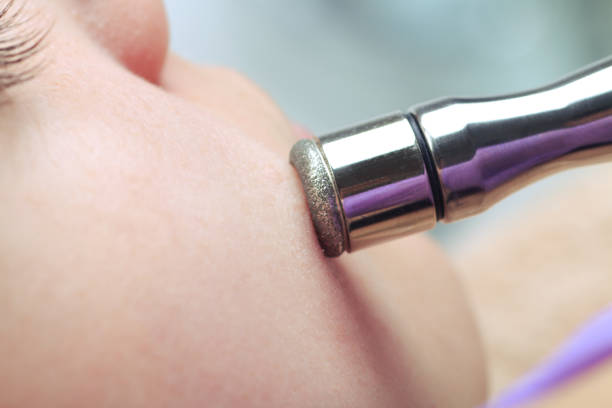
- The microdermabrasion process, where the dermatologist employs a handheld device that releases exfoliating crystals onto the skin’s surface. The device’s suction mechanism removes the crystals along with dead skin cells, and most importantly, blackheads.
The table below shows a typical session’s duration and the steps involved:
| Step | Duration |
|---|---|
| Skin Preparation | 10 minutes |
| Microdermabrasion Procedure | 30 minutes |
| Post-procedure care (optional) | 15 minutes |
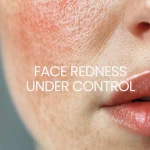
Even though most people describe the sensation as a mild scratching, the process is generally painless. Redness and a warm flushing of the skin are usual after the procedure, closely resembling a slight sunburn and usually subsiding within a few hours post-session.
In addition to the above steps, products containing alpha-hydroxy acid or another type of chemical exfoliant are often applied to help loosen blackheads, making the procedure even more effective.
How effective is Microdermabrasion in getting rid of Blackheads?
Contrary to popular opinions suggesting microdermabrasion to be purely a cosmetic procedure, various clinical trials underline its effectiveness in managing blackheads. The beauty of microdermabrasion lies in how it targets the root issues causing blackheads – excess oil and dead skin cells.
While it may seem like an immediate relief process, microdermabrasion isn’t a single solution, but rather a continual therapy. Thus, it requires multiple sessions for appreciable results, with many individuals reporting significant reduction in blackheads after three to six treatments, depending upon the severity.
Debunking a widespread myth, microdermabrasion does not enlarge your pores. It only momentarily opens them for deep cleansing and eventually aids in their contraction, giving your skin a smooth finish.
Stay tuned for the elaboration on the benefits and drawbacks of microdermabrasion, comparisons with other methods of blackhead removal, safety concerns, and post-procedure skincare in the latter part of this article.
Advantages and Disadvantages of Microdermabrasion
The concept of microdermabrasion has its fair share of supporters and critics. Among its benefits, the most recognized one is its non-invasive nature. When compared with other procedures like chemical peels, it significantly reduced recovery time, with most people returning to ordinary routines almost immediately. It also suits all skin colors and types, making it a universally accessible treatment option. Lastly, when performed by qualified professionals, microdermabrasion can help reduce the appearance of larger pores, smooth rough skin texture, and, of course, help remove blackheads. Despite numerous benefits, it’s only fair to consider the drawbacks.
One significant disadvantage of microdermabrasion is that it’s not a one-off magic cure. It requires consistent treatments spread out over weeks to achieve the best results. This could translate into sizable time and money investment for some people. There’s also the potential for side effects. While it’s generally a safe procedure, it can cause temporary redness and sensitivity. Furthermore, this treatment approach is not suitable for people with rosacea, active sunburns, or other types of skin inflammation, as it could potentially cause more harm than good.
Microdermabrasion vs. Other Blackhead Removal Methods
- Comparison with over-the-counter products: Over-the-counter products, like blackhead removal strips and washes, are comparatively far less expensive and easily accessible. However, their strength and effectiveness invariably fall short when compared with a professional microdermabrasion procedure. Furthermore, the incorrect or excessive use of OTC products can lead to skin irritation and damage.
- Comparison with Dermatologist treatments: Procedures such as laser treatment and chemical peels might offer more drastic results when it comes to blackhead removal. But these procedures also come with an increased risk of side effects and require prolonged recovery time, unlike microdermabrasion.
The Safety of Microdermabrasion
Microdermabrasion is generally considered safe for most skin types. However, as previously stated, people with active skin inflammation, rosacea, or other similar conditions should steer clear of it. Potential side effects are minimal, ranging from minor skin irritation to mild redness, much like a sunburn, that subsides after a few hours or days.
Post-Microdermabrasion Care
Upon completing the microdermabrasion treatment, your dermatologist will likely apply a moisturizer to your skin. Post-procedure skincare primarily involves shielding your skin from the sun, applying moisturizer liberally, and not using heavy makeup for a day or two. It’s essential to keep in mind that your skin will be more sensitive to sunlight after the treatment. So, sun protection, via using a broad-spectrum sunscreen or wearing a hat, is crucial.
In a nutshell
In In a nutshell, Microdermabrasion comes forward as an effective and safe method to banish stubborn blackheads. While it may not be an express solution, requiring multiple sessions, its minimally invasive nature, paired with relatively low recovery time, makes it an attractive option. It’s always advisable to seek advice from a dermatologist or skincare specialist. It’ll help determine if microdermabrasion or another treatment is right for your skin type and condition.
FAQs
Q: How long does a microdermabrasion session take?
A: A typical session, including skin preparation and post-procedure care, takes approximately 55-60 minutes.
Q: Is microdermabrasion painful?
A: Most people don’t find the process painful. It’s often described as a mild “”sucking”” or “”pulling”” sensation.
Q: Can I apply makeup immediately after the procedure?
A: It’s advisable not to apply heavy makeup for at least a day or two after the process to reduce the risk of irritating your skin.
Q: Does microdermabrasion permanently remove blackheads?
A: Microdermabrasion helps eliminate existing blackheads. However, blackheads may reappear over time due to oil and dead skin cells clogging the pores again, hence consistent skin care is recommended.
Q: Should I consult with a dermatologist before going for the microdermabrasion treatment?
A: Absolutely, consulting with a dermatologist is advisable before trying any new treatment, especially one that involves your skin. Depending on your individual skin type and condition, the dermatologist can suggest the optimal course of action.