






When considering Botox to refine the jawline and reduce the size of the masseter muscle, the amount of Botox you’ll need is not a one-size-fits-all answer. Typically, patients may require anywhere from 15 to 50 units of Botox on each side of the face, depending on individual factors. This raises the question of how much Botox is needed for masseter reduction, and this article aims to provide clarity on that topic, exploring how to determine the right dose for you, general guidelines, and what to expect before and after the treatment.
Introduction to Masseter Muscle and Botox
Overview of Masseter Muscle
The masseter muscle is one of the primary muscles involved in chewing, located at the sides of the jaw. For those wondering how can the width of a square-shaped face be reduced?, targeting the masseter muscle through Botox is a viable and popular solution. An enlarged masseter muscle can contribute to a square-shaped facial profile, which some may wish to soften for various reasons.
Benefits of Botox for Jawline Contouring
Botox, when injected into the masseter muscle, relaxes the muscle over time, leading to a more refined jawline and facial profile. The benefits of Botox for masseter reduction go beyond aesthetics, including relief from the symptoms of bruxism and TMJD.

The Basics of Botox Treatment
What is Botox?
Botulinum toxin, commonly known as Botox, is a neuromodulator that temporarily paralyzes muscles. It’s a procedure embraced globally for its cosmetic and therapeutic benefits. Botox is particularly popular for its ability to smooth out wrinkles, but its application in facial sculpting, particularly in the refinement of a square-shaped face, is rapidly gaining attention.
How Does Botox Work?
For individuals interested in masseter reduction, it’s essential to understand Botox’s mechanism. Botox works by blocking the nerve signals to the muscle into which it is injected. As a result, the muscle becomes relaxed, and over time, it may decrease in size due to reduced usage.
Factors Influencing Botox Dosage
- Individual Muscle Strength: Does clenching your jaw make it more defined? Indeed, habits such as frequent jaw clenching can make the masseter muscle become stronger and more defined. Consequently, each person’s muscle size and strength will affect the amount of Botox needed, with those having a more defined masseter due to clenching likely requiring a higher dose of Botox.
- Desired Aesthetic Outcome: The desired outcome also plays a vital role in determining the dosage. While some may seek a subtle contouring effect, others might aim for a more pronounced change in their jawline’s shape.
- Previous Treatments and their Effects: Your clinician will also consider any past Botox treatments and their effects to accurately determine the future dosage.
The Assessment Process
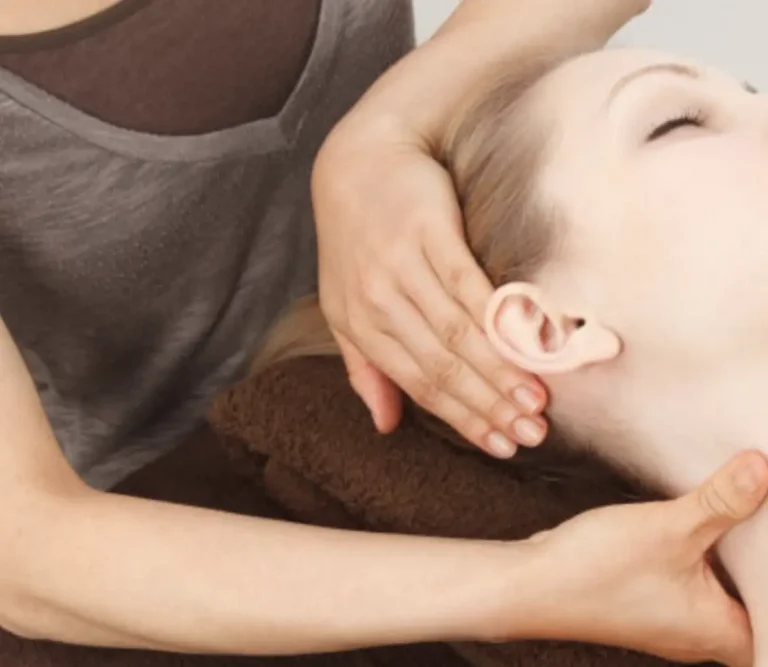
Prior to receiving Botox, a professional consultation is key to establishing a treatment plan that meets your aesthetic goals and addresses your masseter muscle’s specific needs. A physical evaluation that includes palpation of the muscle will be completed to assess the strength and size of your masseter muscle. This helps to fine-tune the dosage of Botox necessary for your desired results.
General Dosage Guidelines
Average Units Required
Clinicians often start with a specific range, such as 25-30 units per side, particularly when addressing how much botox is needed for masseter reduction for the first time.
Variability Among Patients
It’s crucial to note the variability among individuals, taking into account their unique facial anatomy and the specific goals of the treatment.
What to Expect During the Procedure
Preparation for the Treatment
Certain pre-treatment steps are usually recommended, such as avoiding alcohol and certain medications that can increase bruising.
The Injection Process
The injection process itself is often quite fast and is accompanied by minimal pain. However, it’s normal for patients to question how long does it take to see masseter Botox results? Results may begin to be noticeable one to two weeks after the treatment, with full results appearing after a month as the muscle relaxes and reduces in size.

Post-Treatment Considerations and Care
Immediate Aftercare Tips
Here are some critical tips for the period directly after your Botox treatment:
- Avoid any pressure or massage on the treated areas to prevent dispersing the Botox to adjacent muscles.
- Keep your head upright and refrain from bending over to ensure the Botox remains localized to the target area.
With careful attention to these guidelines, you can look forward to a safe and positive outcome from your Botox masseter reduction treatment.
Long-Term Maintenance
Maintaining the effects of Botox in the masseter muscle requires an understanding of the treatment’s tempo and the body’s response. Generally, follow-up sessions are scheduled every 4-6 months, as the effects of Botox will gradually diminish over time. To ensure continuity of results:
- Adhere to a regular treatment schedule as advised by your healthcare provider.
- Monitor changes and communicate with your injector to adjust treatments if needed.
By keeping a consistent regimen, patients can maintain the desired contour of their jawline and prevent the masseter muscle from regaining its previous size.
Realistic Expectations and Potential Risks
Understanding the Potential Outcomes
Setting realistic expectations is crucial for patient satisfaction. Botox offers a non-permanent solution, with results that can be tailored over time:
- Short-Term Effects: Initial changes usually become noticeable within the first two weeks, with continued improvement over the following month.
- Long-Term Results: Though the Botox effect will fade, regular treatments can yield more prolonged benefits, potentially leading to a longer-lasting muscle relaxation and size reduction.
It’s important to remember that individual responses to Botox can vary, and outcomes may not be identical from one person to another.
Side Effects and How to Handle Them
While Botox injections are generally safe when administered by a qualified professional, potential side effects include bruising, swelling, or discomfort at the injection site:
- Common Reactions: These typically resolve on their own within a few days without the need for intervention.
- Complications: More significant issues such as asymmetry, unintended muscle paralysis, or an allergic reaction are rare but require immediate medical attention.
Patients should have a clear understanding from their healthcare provider of what to look out for and how to proceed should they experience any side effects.

Conclusion: Ensuring a Safe and Effective Botox Experience
Ensuring a superior experience with Botox for masseter muscle reduction hinges on several factors. It is pivotal to select a skilled and experienced injector who can determine the correct amount of Botox needed to achieve your desired outcome. Understanding the process, adhering to the after-treatment care instructions, and maintaining a realistic perspective on what Botox can accomplish, are all instrumental steps in the journey towards a successful treatment.
Ultimately, this procedure offers both aesthetic and functional benefits, and when performed correctly, it can greatly enhance one’s satisfaction with their facial appearance. Balancing expectations with possibilities is the key to enjoying the benefits of Botox without disappointment.
Frequently Asked Questions (FAQs)
How long does Botox in the masseter muscle last?
Botox in the masseter muscle typically lasts between 4 to 6 months. However, the duration can vary depending on the individual’s muscle strength, metabolism, and lifestyle habits. Regular follow-up treatments are necessary to maintain the results.
Can Botox in the masseter muscle change my face shape?
Yes, Botox in the masseter muscle can change your face shape. By reducing the muscle’s size, it can give the face a more oval or V-shaped contour, especially when the masseter muscle is prominent.
Is the procedure painful?
The procedure involves minimal discomfort, similar to that of a quick pinch. Most practitioners will use a topical numbing agent to reduce sensation, making the process quite tolerable.
Are there any alternative treatments to Botox for jawline contouring?
While Botox is a popular choice for jawline contouring, alternative treatments include facial exercises, weight loss if appropriate, or surgical methods such as masseter muscle reduction surgery for those seeking more permanent results.
How can I maintain the results from my Botox treatment?
To maintain the results from your Botox treatment, it is crucial to:
- Schedule regular follow-up appointments as recommended by your provider.
- Avoid activities that could strengthen the masseter muscle, such as chewing gum excessively, which can counteract the Botox effects.
By integrating these considerations into your routine, you can enjoy the benefits of your Botox treatment to the fullest extent.